Ichwaku Rastogi’s Search for New Cancer Treatments

What if we could train our immune system to detect and fight cancer through vaccination?
What if we train our immune system to detect and fight cancer through vaccinationThat is the question behind Ichwaku Rastogi’s work at UW–Madison, where he studies vaccines designed to trigger the immune system to respond to prostate cancer. As a scientist in the McNeel Lab, led by oncologist Dr. Douglas McNeel, Rastogi works on DNA vaccines that are given after a patient develops cancer, with the goal of generating an immune response against the disease.
“The difference with these vaccines is that they are not delivered before you get cancer, like other vaccines would be.” Rastogi said.
Rastogi works with blood and biopsy samples collected in four active clinical trials to study how patients respond to the vaccines. He looks for biological differences that could help explain why some treatments are more effective on certain individuals than others. For patients who do not respond, researchers can study the mechanisms of resistance and use that information to consider future treatments.
His interest in developing treatments for disease began long before he started studying cancer. Growing up in India, Rastogi watched his grandfather suffer from diabetes, which inspired him to pursue drug development. He earned his bachelor’s degree in biotechnology in Bangalore before completing a master’s degree at the University of Illinois-Chicago. It was there that he first gained substantial laboratory research experience and decided to pursue a PhD.
Rastogi came to UW–Madison in 2016 to study cancer biology, drawn in part by the university’s history of cancer research and treatment. During his PhD program, Rastogi studied how immune cells process DNA vaccines. Since completing his degree, his work has since evolved to work more closely connected to patients.
Today, Rastogi explores responses to cancer vaccines, including DNA, RNA and peptide vaccines.
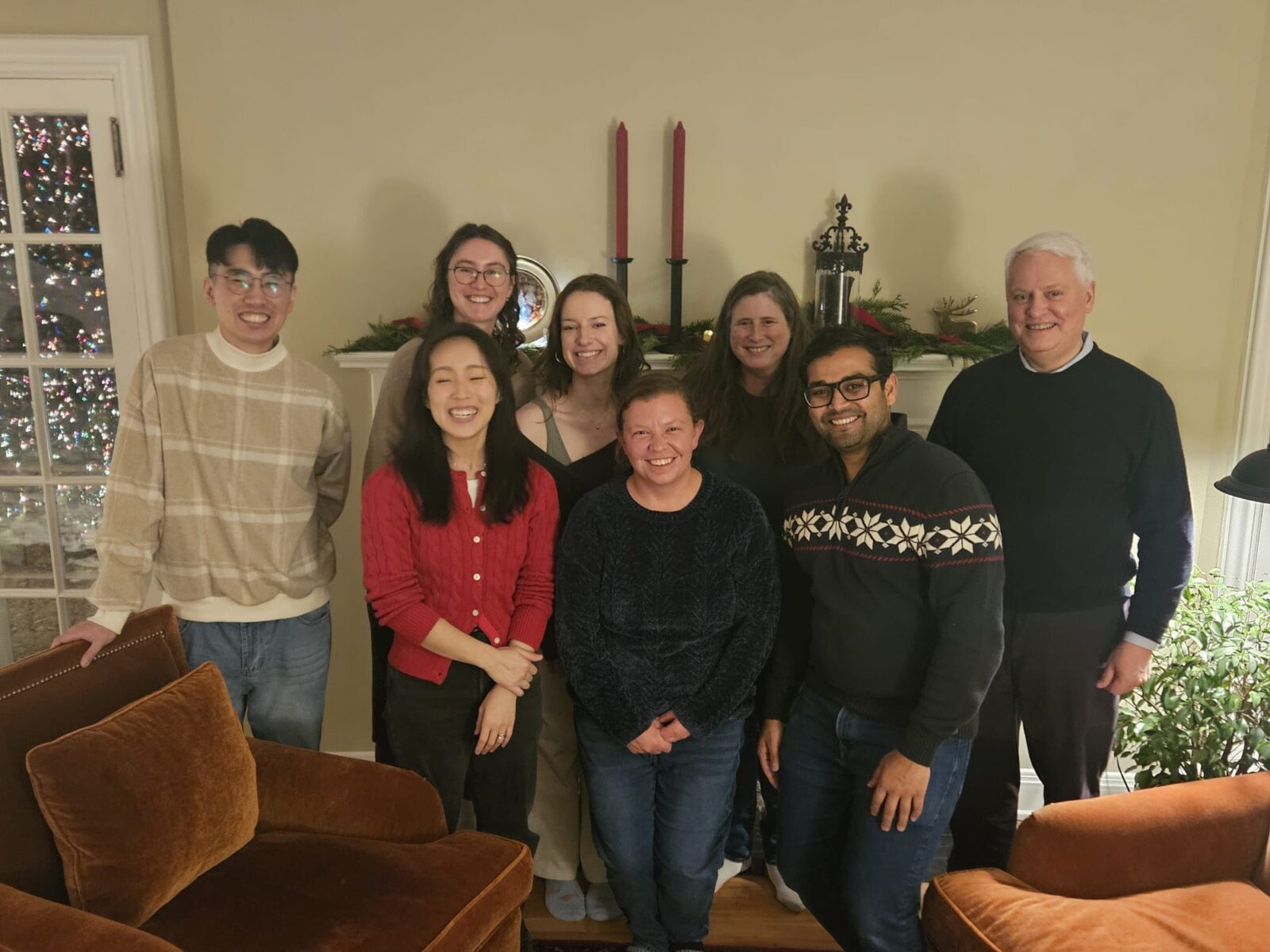
The work being done in the McNeel Lab spans departments across UW’s campus. Rastogi and his colleagues have recently worked with a lab in the Department of Chemistry to develop modified versions of naturally occurring peptides that break down more slowly in the body, giving the immune system more time to recognize them and build a defense.
The goal? Develop these peptides into future vaccines.
While much of Rastogi’s current research focuses on antigens related to prostate cancer, he believes the approach could eventually be applied to other types of cancer as well.
“Basically, we would develop a concept,” says Rastogi. “If you replace the antigen for prostate cancer with an antigen associated with another type of cancer, you could easily apply the same thing for other disease models–and I wouldn’t be surprised that it would work similarly.”
The potential to develop treatments that extend beyond a single type of cancer reflects the vision that has guided Rastogi’s career thus far. Looking ahead, he hopes to remain in pharmaceutical sciences and drug development, with opportunities to build on his current research or branch into new areas. Whatever direction Rastogi chooses, his overarching goal remains constant–to develop drugs for diseases that affect millions of people.